M2M Payments: Collecting Mobile Money Across M-Pesa, Airtel Money and MTN
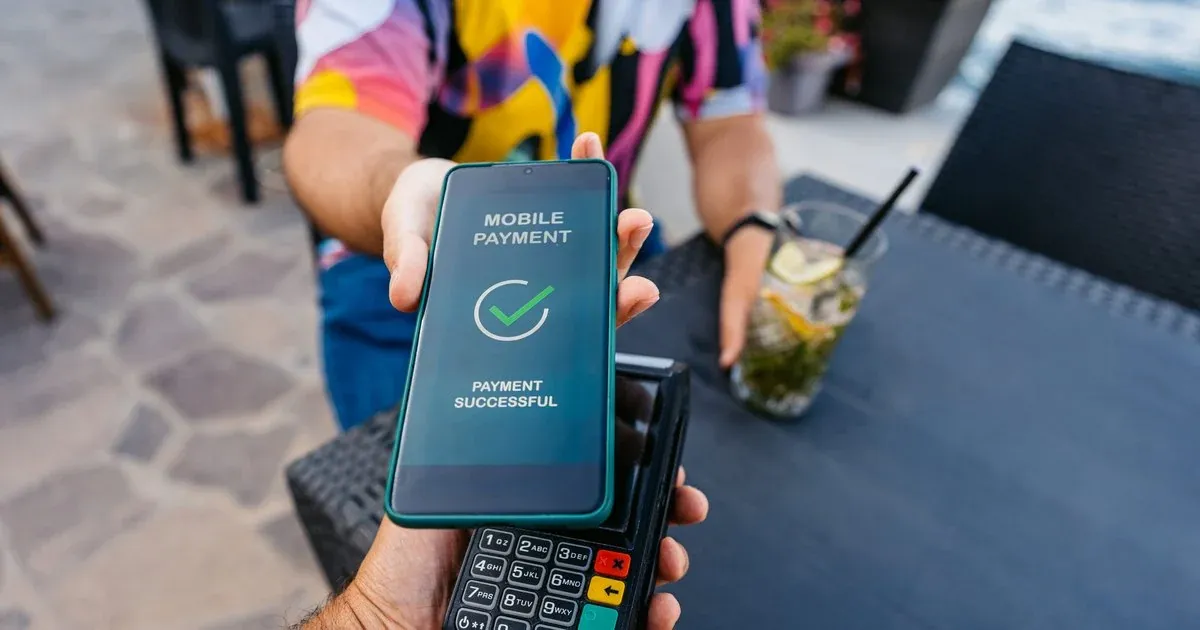
Machine-to-machine (M2M) payments are the quiet engine behind a growing number of businesses in East Africa: water ATMs, vending machines, smart meters, connected equipment, and devices that unlock or credit on payment. In each case, a machine needs to know that money has arrived, and it needs to know without a person checking a phone or a statement.
This guide explains how M2M payment collection works across the mobile money networks most operators use, M-Pesa, Airtel Money and MTN Mobile Money, and what to plan for when a business runs on more than one of them. It’s written for IoT developers, utility and vending operators, and businesses that want connected equipment to respond to payments automatically.
What “M2M” means for a payment
In a typical consumer payment, a person opens an app, enters an amount, and approves it. In an M2M setup, the trigger comes from a system, and the result goes to a device. The customer’s part is still a person approving a payment on their phone, but everything after that is handled by software.
A simple M2M flow has four parts:
- The device or the customer starts a purchase. A customer chooses a water volume, a vending item, or a unit of electricity.
- The system requests a payment. The business’s system asks the payment provider for a prompt on the customer’s phone.
- The customer approves. They enter their mobile money PIN on their own handset.
- The device responds. Once the payment is confirmed, the system tells the device to dispense, credit, or unlock.
The important point is step four. The device should act only on a confirmed payment, and the confirmation should carry enough information to match it to the right machine or account.
The three networks and where they fit
Mobile money is common across the region, but the networks differ. A business that operates in more than one market, or serves customers who use different SIMs, needs to plan for each one.
- M-Pesa is the dominant network in Kenya. Most customers in Kenya already use it for small everyday payments.
- Airtel Money is widely used in Uganda, Tanzania, Rwanda and other markets, and is common among customers who use Airtel SIMs.
- MTN Mobile Money is used in several markets across the region, with a strong base among MTN subscribers.
Which network matters depends on where the machines are and whom they serve. Survey customers, or check the sales data from a pilot, before promising a payment method. A machine that accepts only one network may turn away a large share of the people who want to use it.
For the networks and markets currently live for collections, check the IntaSend coverage page. Confirm each rail for your use case before you rely on it.
Why one integration beats three
A business that connects to each network separately ends up maintaining three sets of prompts, confirmations, messages, and reconciliation routines. Each one can fail in its own way, and each needs its own testing.
A single integration that covers several networks keeps the device logic the same. The machine asks for a payment, receives a confirmation, and responds in the same way, whichever network the customer used. The differences are handled in the payment layer, not on the device. IntaSend’s Payments API is built on this model.
Even with one integration, test each network with a real account. The prompt, the confirmation timing, and the failure messages can differ, and a customer who can’t pay on their network will simply walk away.
Matching payments to machines
The most important design question in M2M payments is how a payment is matched to the right device or account. The payment request carries a reference that you choose, and the confirmation carries that reference back. Your system uses it to find the machine or account that should respond.
For each machine, use a reference that is unique to the purchase attempt and clearly tied to the device. Avoid reusing references across purchases, because that makes it hard to tell which payment belongs to which device. A payment that can’t be matched should go to a person for review, rather than being guessed.
Check the amount and currency on every confirmation before the device acts. A machine that dispenses or credits for the wrong amount causes a dispute, and the cost of fixing it is usually higher than the cost of checking.
Making the device respond safely
Once a payment is confirmed, the device should respond once and only once. Payment messages can be repeated, and they don’t always arrive in the order they were sent. A few rules keep devices safe:
- Act only on a confirmed state. Anything other than a completed payment should leave the device off.
- Make the response repeatable. A repeated confirmation for the same purchase should not dispense or credit twice.
- Keep the payment record and the device action separate. If the device fails to respond, the payment is still valid. Retry the device action, and don’t ask the customer to pay again.
- Log every step. A clear record of the request, the confirmation, and the device response makes disputes easier to resolve.
These rules matter most for vending and water dispensing, where a double response means lost product or water, and for smart meters, where a double credit means lost revenue. Our guides on cashless payment for vending machines and smart meter billing in Kenya apply these rules to each type of equipment.
Plan for failed and cancelled payments
M2M payments fail for the same reasons as any mobile money payment. The customer may cancel the prompt, the phone may be unreachable, or the balance may be too low. Each is a one-time failure, and no money has moved.
The machine should tell the customer what happened in plain terms and offer a clear way to retry. A screen that says “payment cancelled, press to try again” is far better than a machine that appears to ignore the purchase.
Keep a short record of failed attempts by machine and by network. A pattern, such as one network failing more often at a particular site, usually points to a coverage or handset issue rather than a fault in the machine.
Reconciliation across networks
Each network produces its own statement, and the figures need to be reconciled against the machine’s sales record. A simple routine works well:
- Compare each machine’s sales with the payments confirmed for it.
- Reconcile each network’s total against its own statement.
- Investigate any confirmed payment that didn’t produce a device response.
- Record the total collected by network, so you can see which one your customers use most.
Once each network is reconciled, the combined view gives an accurate picture of the business. Keep the figures in local currency first, and convert only for the consolidated summary.
Common mistakes in M2M payment projects
Designing for one network. A machine built only for M-Pesa turns away customers on Airtel or MTN, and retrofitting later is expensive.
Treating the prompt as the device action. A prompt approved on the phone is not the same as a confirmed payment. The device should wait for the confirmation.
Skipping the failure cases. Cancelled prompts, unreachable phones, and duplicate confirmations are where most support problems start. Test them before launch.
Ignoring reconciliation until the end of the month. Gaps are much easier to explain on the day they happen than weeks later.
Hard-coding amounts in the device. Price changes should be made in one place, and the device should follow the same record the payment uses.
Where IntaSend fits
IntaSend provides mobile money collection for connected businesses across Kenya, Uganda, Tanzania, Rwanda and the DRC, using one integration where IntaSend is live. The payment request, the confirmation, and the reference that links them back to a machine are handled through the API and webhooks. The device logic, pricing, and the decision to dispense, credit, or unlock stay with your business and your device platform.
If you run connected equipment and want to talk through how M-Pesa, Airtel Money or MTN collections could work for your machines, speak to the IntaSend team. You can also reach us on WhatsApp at +254 711 082 947, by email at [email protected], or by phone at +254 114 114 644.
Banking services provided by licensed partners.